
Most popular
Coronavirus Symptoms: What Should You Do If You See Them?
The deadly pandemic, the Novel Coronavirus Disease (also known as the COVID-19), has already claimed the lives of over 85,000 people around the world. In the United States alone, over 430,000 people have been infected, and over 15,000 people have lost their lives to the disease in just over 3 months. Despite the fact that no official vaccine or medicine have been announced for the disease, medical centers all around the world have been able to help a large number of people recover from the illness. If the conditions are mild and the symptoms are noticed and reported at the earlier stages, quick actions can be taken to counter the symptoms and treat the infected. So, what are the symptoms of the COVID-19? The Coronavirus enters the body through the nasal passage, eys, and the mouth. However, the organs in the body that it primarily targets are the lungs. Due to this, the first visible signs would include mild breathing difficulties accompanied by dry cough, and sometimes even mild to high fever, sometimes exceeding 37.8 degrees. You may be coughing continuously for an hour or more, or you may witness several bouts of coughing episodes spread over a 24-hour timeline. The latter may mean that the condition or the infection is bad and requires immediate attention. Additional symptoms may include bouts of diarrhea, itchy or sore throat, mild to severe headaches. You may also experience a loss of smell or even taste. The symptoms may start showing within the first 5 days, but may also take longer to show. Some cases have also taken 14 days to start showing ay symptoms. It is for this very reason that the World Health Organization (WHO) has claimed that the incubation period for the disease is 14 days. What should you do if you start seeing the symptoms? In case you start seeing mild symptoms in the beginning, the very first thing you should do is to go into self-isolation. This is going to prevent the spread of the virus among your loved ones and ensure that they do not get infected too. Wear a face mask or an N95 respirator and ask any person coming in contact with you too do the same. Next, you should continue to stay in self-isolation and monitor your symptoms for at least another 7 days. However, if you start seeing the symptoms get worse, contact your nearby treatment center or medical institution that is dealing with the Novel Coronavirus infected patients. During this period of self-isolation, continue to follow the hygienic practice strictly as it may help to counter the effects of the condition, and may also help a great deal in the treatment procedure.
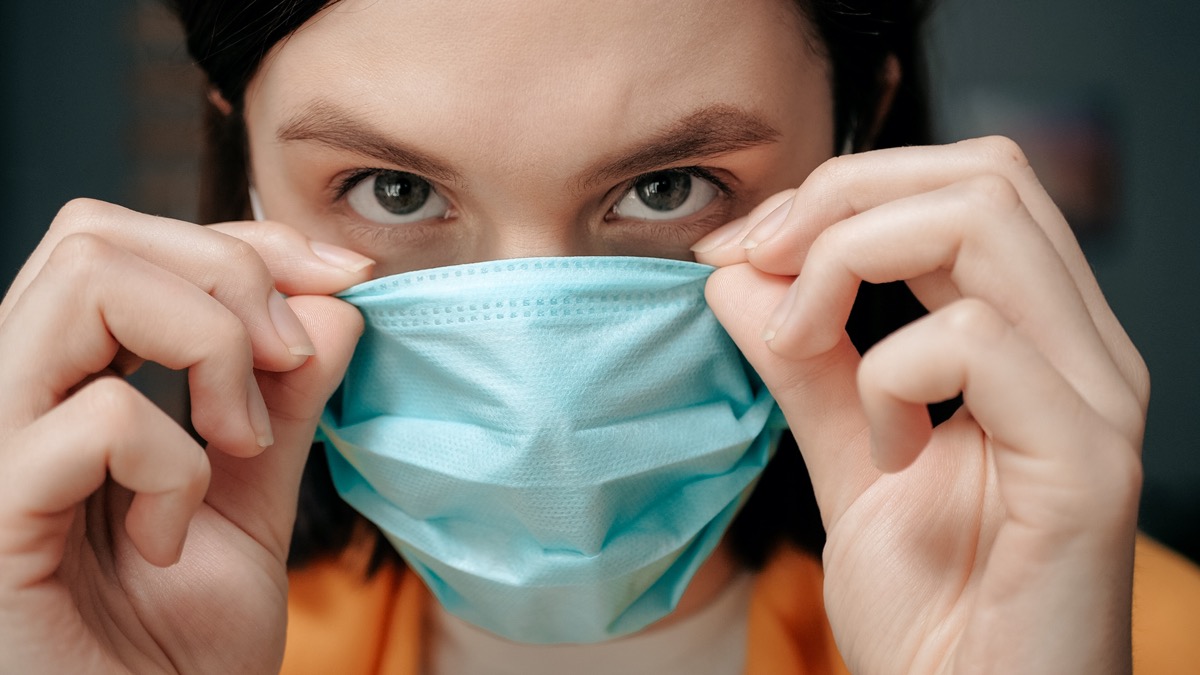
THE MOST EFFECTIVE WAY TO WEAR A MASK IF ANYONE IS A COVID-19 PATIENT.
If you have symptoms of coronavirus, stay at home except to receive medical care. If you live with others or are visiting a healthcare provider, wear a surgical mask if one is available. Remember that while surgical masks don’t protect against infection with SARS-CoV-2, they can help trap infectious respiratory secretions. This can be a vital tool in helping prevent the spread of the virus to others in your surroundings. So, how do you properly use a surgical mask? Follow the steps below: Clean your hands, either by washing with soap and water or by using an alcohol-based hand sanitizer. Before putting the mask on, inspect it for any tears or holes. Locate the metal strip in the mask. This is the top of the mask. Orient the mask so that the colored side faces outward, or away from you. Place the top part of the mask on the bridge of your nose, molding the metal strip to the shape of your nose. Carefully loop the elastic bands behind your ears or tie the long, straight ties behind your head. Pull the bottom of the mask down, ensuring that it covers your nose, mouth, and chin. Try to avoid touching the mask while you’re wearing it. If you must touch or adjust your mask, be sure to clean your hands immediately afterward. To take off the mask, unloop the bands from behind your ears or undo the ties from behind your head. Avoid touching the front of the mask, which may be contaminated. Promptly dispose of the mask in a closed garbage bin, thoroughly cleaning your hands afterward. You can look for surgical masks at various drug stores or grocery stores. You may also be able to order them online. Using Surgical Masks During The Outbreak Of Covid 19? Below mentioned are some necessary practices that should be kept in mind when using face mask during the pandemic : Reserve N95 respirators for use by healthcare workers and first responders. Only wear a surgical mask if you’re currently ill with COVID-19 or are caring for someone at home who can’t wear a mask. Surgical masks are disposable. Don’t reuse them. Replace your surgical mask if it becomes damaged or damp. Always promptly discard your surgical mask in a closed garbage bin after removing it. Clean your hands before putting your surgical mask on and after you take it off. Additionally, clean your hands if you touch the front of the mask while you’re wearing it. Practicing some of these mentioned habits can definitely contribute to a speedy recovery.
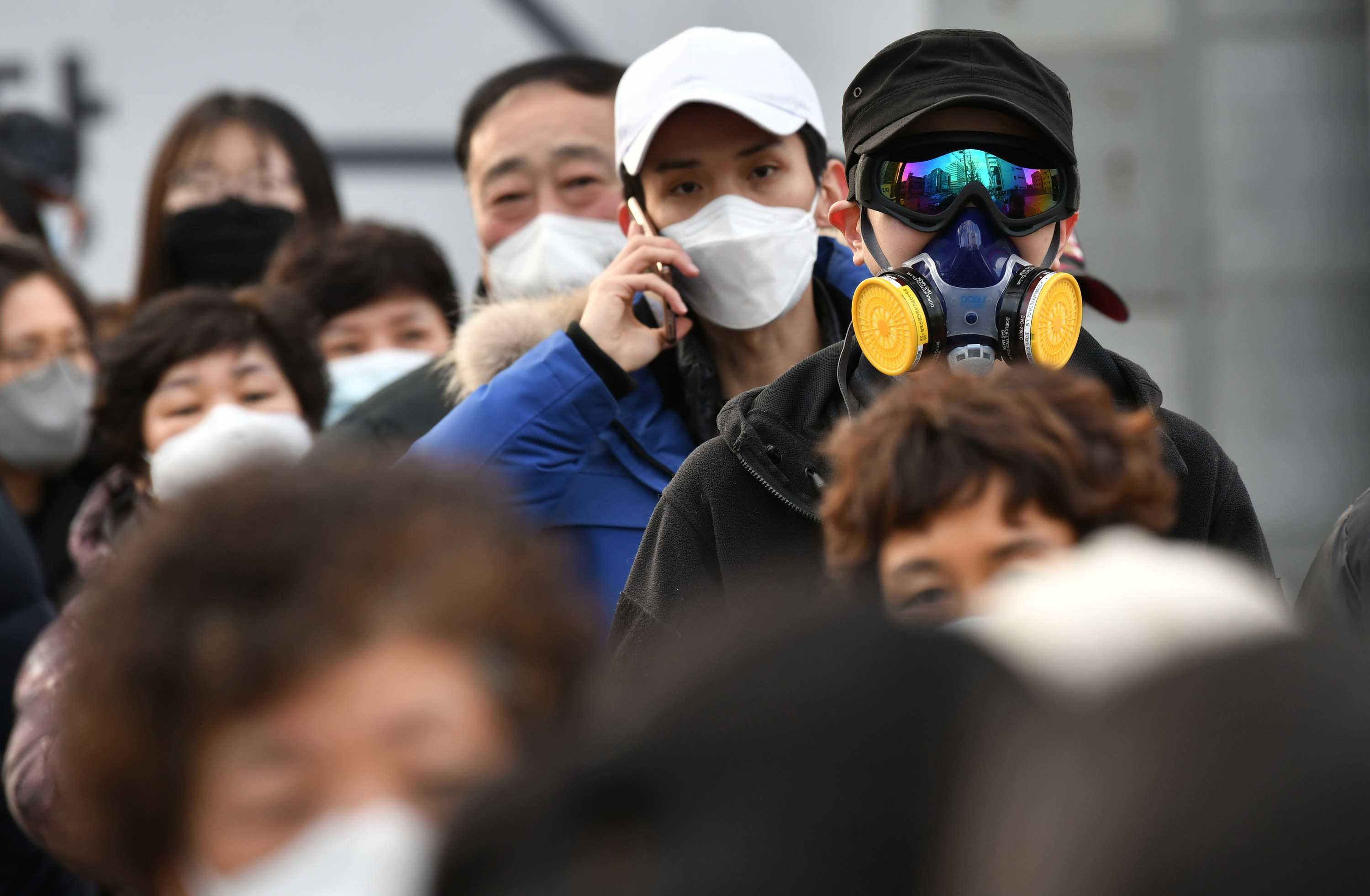
Amidst Supermarkets And Retailers Halting Sale Of N95 Face Masks To Public In The US, It’s Time To Look For Alternative Solutions
The demand for face shields, gowns, gloves, face masks, and other such protective equipment has literally skyrocketed over the course of the past 2-3 months due to the worldwide outbreak of the Novel Coronavirus, also known as the COVID-19. In the United States alone, the disease has affected the death of over 6,500 people, while also infecting more than 255,000 others. These numbers are only expected to rise with each passing day, which is set to increase the demand for such protective gear even more. Shortage of supplies have impacted health workers and emergency response teams With the increasing demand for personal protective equipment, health workers, doctors and other hospital staff, Coronavirus Emergency Response personnel, sanitation workers, and other such personnel on the front lines have been the most affected. The shortage of face masks has caused endangerment to the lives of doctors, nurses, and other such health care personnel catering to the patients affected by COVID-19. Several doctors and nurses have also reported that they have been forced to reuse their masks in order to account for the shortage of supplies, which has reduced their efficiency and may even cause them the risk of getting infected. Dr. Michael Ryan, a top Emergencies Expert from WHO, stated during a press conference, “We have a massive global shortage. Right now, the people most at risk from this virus are frontline health workers who are exposed to the virus, every second of every day. The thought of them not having masks is horrific. So we have to be very careful.” Malpractices have only hindered the cause further There have been several reports of high-profile cases of hoarding all across the United States, for personal use or for financial gains. Ever since the first cases of COVID-19 were reported, stores, supermarkets, and retailers have reported record sellouts for face masks, hand-sanitizers, handwash, etc. within hours. This has inadvertently led to an acute shortage of face masks in the market, and people with a large supply of such items in their stock resorted to price-gouging. Suddenly, face masks, hand-sanitizers, and handwash were selling at prices several times above their market values. There have also been reports of fake N95 face masks being circulated in the market by entities that have used this crisis as an opportunity to strike a fortune for themselves. Such malpractices have only served to further exacerbate an already aggravated situation. Retailers halt the sale of face masks in stores In an effort to make the maximum protective equipment available to health care workers, emergency response personnel and other such workers, several supermarkets, retailers, and other such stores have halted the sale of such equipment to the public. These stores have pledged to make the protective equipment their stock available to health care workers and the people in the front lines. Many of these stores and retailers have also donated their stock to hospitals, health care workers and emergency responders. What’s the solution? According to the US Department of Health and Human Services, almost 70 percent of tight-fitting respirators and 95 percent of surgical masks used in the US are imported, with China being the largest exporter. With the worldwide outbreak of COVID-19, the import of face masks halted completely. Although companies such as Prestige Ameritech, 3M, and a few others continue to manufacture face masks within the country (and they have increased their manufacturing capacity a great deal), their production may simply not be enough to meet the increasing demands during these devastating times.
Best FFP3 Barrier Mask Against Covid19

MORE EFFECTIVE THAN N95 RESPIRATOR AND SURGICAL MASKS
minimum order
of 500,000
as we are filling large orders world wide.
Lead time is 3 to 7 days. Larger orders take
priority.
Best FFP3 Barrier Mask
Against Covid19
featured
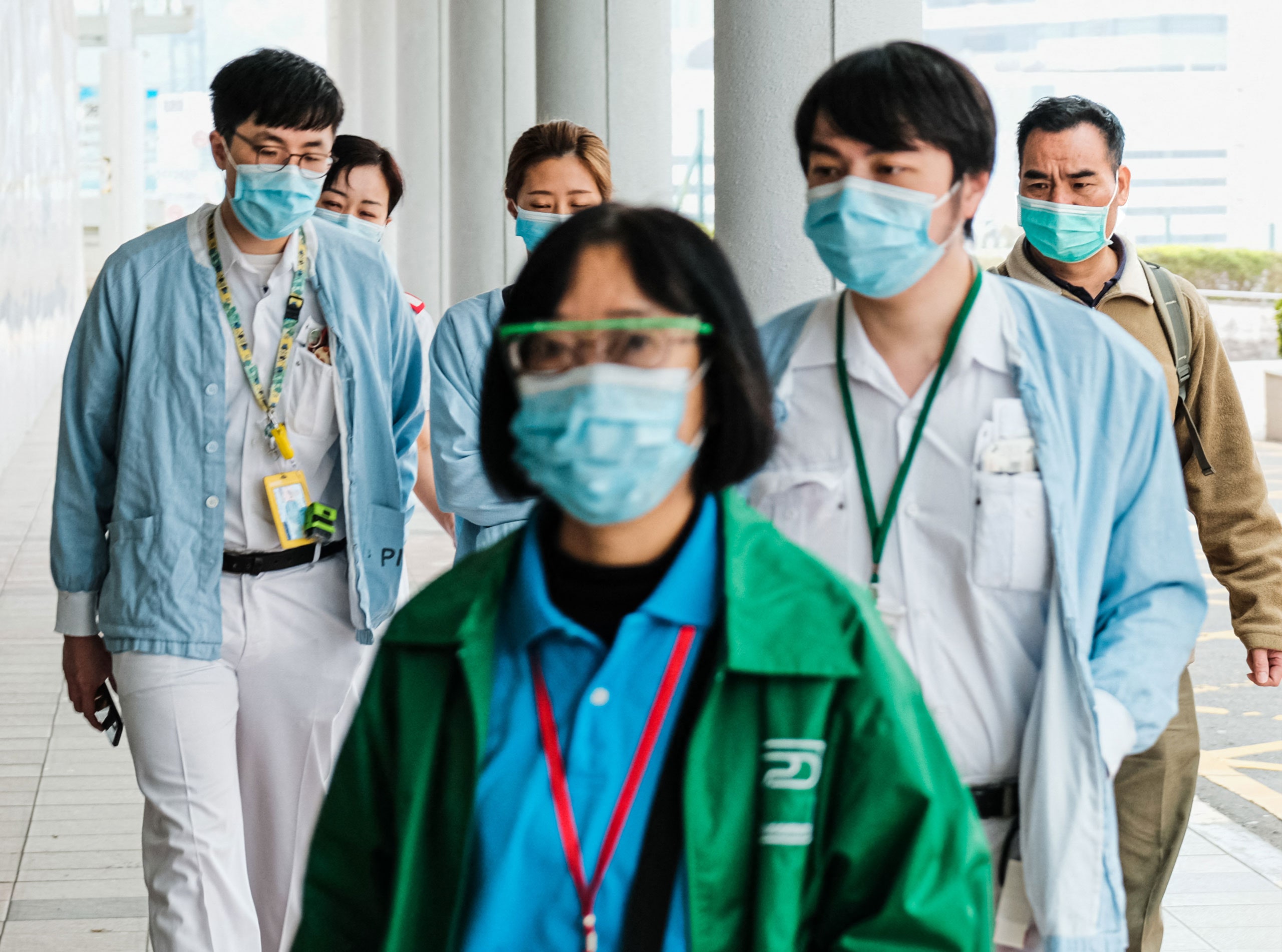
ALL ONE SHOULD KNOW ABOUT FACE MASKS TO COMBAT COVID-19
Coronavirus Symptoms: What Should You Do If You See Them?
THE MOST EFFECTIVE WAY TO WEAR A MASK IF ANYONE IS A COVID-19 PATIENT.
Covid Virus
Coronavirus Symptoms: What Should You Do If You See Them?
THE MOST EFFECTIVE WAY TO WEAR A MASK IF ANYONE IS A COVID-19 PATIENT.
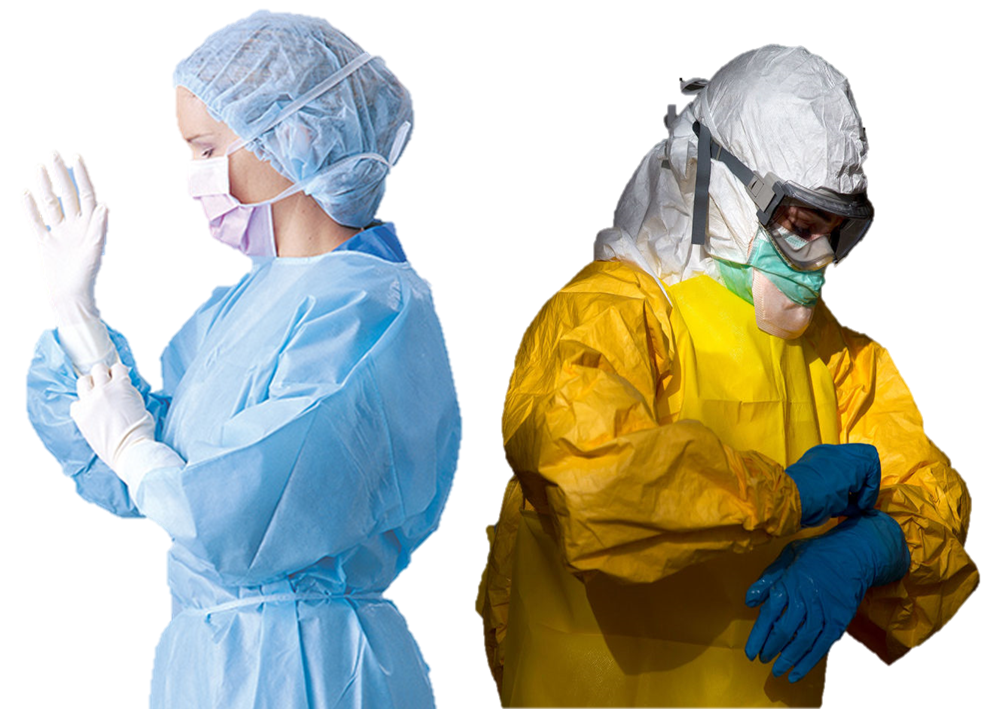
COMPLETE GUIDE TO WEAR FACE MASK AGAINST SPREADING OF CORONAVIRUS
most recent

COVID-19 Numbers In The US Down For The First Time In Four Months
The last two days have seen a significant reduction in the number of new cases or deaths within the United States due to the Novel Coronavirus Disease. This is the first time, since the outbreak of the deadly pandemic in late December-2019, that the numbers have reduced for two consecutive days instead of increasing. This reduction in the numbers has brought new hopes among the public and people are indeed beginning to see the Sun peep through the dark clouds of COVID-19. According to the numbers tracked by the Johns Hopkins University Center for Systems Science and Engineering with regards to the cases of Coronavirus infection in the country, more than 558,500 people have been infected by the deadly virus, leading to the deaths of over 22,000. These are staggering numbers considering that it has been less than 4 months since the pandemic arrived on American shores from China. However, the drop in the number of deaths due to the pandemic, on Saturday and Sunday, is being seen by many as signs of hope and optimism. There has also been a significant drop in the number of new cases of COVID-19 infection reported since Saturday morning. Dr. Jerome Adams, US Surgeon General, has reported that some of the major cities in the country (including New Jersey, New York, New Orleans, Detroit, etc.) have witnessed a steady decline in the numbers regarding the Novel Coronavirus infection. On the other hand, the numbers have been pretty “stable” in states like Washington and California. "In the midst of tragedy, there IS hope. Social distancing and mitigation IS working. There is a light at the end of this dark tunnel, so keep at it," Adams tweeted on Monday. Health experts have, however, warned that the numbers could rise once again if people suddenly started to relax. There is still a need to take every precaution and continue Social Distancing in order to see further reductions in the numbers. This is the first time in the history of the United States of America that all 50 states have been placed under lockdown due to a Federal Disaster declaration. According to the National Guard Bureau, over 29,000 National Guard members have been deployed across every state in the country in order to deal with the pandemic. Public health experts have asked the people to be responsible and continue to follow safeguards as the upcoming days, weeks and months would play a major role in the direction in which the trajectory of the Coronavirus pandemic travels. Public health capabilities such as early detection, contact tracing, and isolation needs to be enhanced. Government authorities need to start rebuilding the levels of confidence within the community. This will help the community to have the confidence to resume normal life as soon as possible.
most popular
ALL ONE SHOULD KNOW ABOUT FACE MASKS TO COMBAT COVID-19
Medical masks are a tool that can be used to prevent the spread of respiratory infection. Medical masks are a type of personal protective equipment used to prevent the spread of respiratory infections. These masks cover the mouth and nose of the wearer and, if worn properly, may be effective at helping prevent transmission of respiratory viruses and bacteria. There are 2 main types of masks used to prevent respiratory infection: surgical masks, sometimes referred to as face masks, and respirators. These masks differ by the type and size of infectious particles they are able to filter. Face masks are used more commonly for respiratory viruses that spread via droplets, which travel short distances and are transmitted by cough or sneeze. Face masks often fit loosely, and prevent the wearer from spreading large sprays and droplets, as well as preventing hand-to-face contact. N95 respirators block 95% of airborne particles. They are tight fitting and prevent inhalation of smaller infectious particles that can spread through the air over long distances after an infected person coughs or sneezes. Diseases that require use of an N95 respirator include tuberculosis, chickenpox, and measles. N95 respirators cannot be used by individuals with facial hair or by children because it is difficult to achieve a proper fit. In those cases, a special respirator called a powered air-purifying respirator may be used instead. When Should a Mask Be Used? Face masks should be used only by individuals who have symptoms of respiratory infection such as coughing, sneezing, or, in some cases, fever. Face masks should also be worn by healthcare workers, by individuals who are taking care of or are in close contact with people who have respiratory infections, or otherwise as directed by a doctor. Face masks should not be worn by healthy individuals to protect themselves from acquiring respiratory infection because there is no evidence to suggest that face masks worn by healthy individuals are effective in preventing people from becoming ill. Face masks should be reserved for those who need them because masks can be in short supply during periods of widespread respiratory infection. Because N95 respirators require special fit testing, they are not recommended for use by the general public. How to Wear a Mask? If wearing a face mask is indicated, it is important to wash your hands with soap and water for at least 20 seconds prior to putting on the face mask. An alcohol-based sanitizer that contains at least 60% alcohol can also be used if soap and water are unavailable. After cleaning your hands, place the face mask over your nose and mouth. Make sure there are no gaps between the face mask and your face, and ensure a tight seal. Try to avoid touching the face mask when wearing it. If you do touch the face mask, wash your hands or use hand sanitizer again. When you are done using the face mask, remove it without touching the front of the face mask, and discard it into a closed bin. Wash your hands again after discarding the face mask. Preventing Infection Acquisition Hand hygiene is one of the most important ways to prevent acquiring and spreading respiratory infections. Wash your hands often. Try not to touch your nose, eyes, or mouth prior to washing your hands. Avoid close contact with others who are sick. Clean household surfaces and objects with wipes or cleaning spray when available. If you become ill, stay home to avoid making other people sick.